

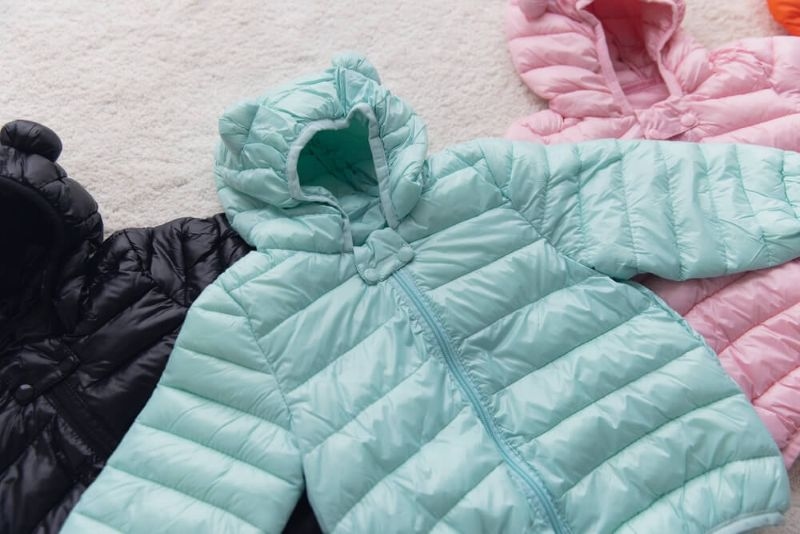
When winter hits and temperatures drop across the U.S., keeping kids warm becomes a top priority. But for children with sensitive skin, the wrong jacket can cause itching, redness, and discomfort. That is where choosing the right hypoallergenic kids jacket material makes all the difference. From non-toxic fabrics for children to allergy-safe winter coats, every detail matters. In this guide, we will explore safe materials, chemical-free kids' clothing options, and practical tips to help you pick truly skin-friendly outerwear your child will love wearing.
When winter rolls around in the United States, parents start pulling out coats, puffer jackets, and fleece layers. But for kids with sensitive skin, that simple task can turn stressful. Red patches, itching, and sneezing are not what anyone wants during a school day. That is why choosing the right hypoallergenic kids jacket material matters more than most people realize
Let me explain. Hypoallergenic does not mean allergy-proof. It means it is less likely to cause irritation or allergic reactions. That could involve the fibers themselves or the chemicals used in processing.
For children with eczema, contact dermatitis, or asthma, even small irritants can trigger big reactions. Dyes, formaldehyde finishes, flame retardants, and synthetic fragrances sometimes hide in clothing. So when we talk about hypoallergenic kids' jacket material, we are talking about fabrics that are gentle from fiber to finish.
Kids’ skin is thinner than adult skin. It loses moisture faster and reacts more quickly to friction and chemicals. Add cold weather, dry air, and heavy layers, and you have a recipe for irritation.
Skin-friendly outerwear is not about luxury. It is about comfort and health. When a child feels itchy or overheated, they cannot focus in class. They fidget. They scratch. And that can turn into broken skin and infection. Not ideal for January in Chicago or Boston.
Now that we understand why it matters, let us talk about materials. Natural fibers are often a safe starting point for allergy-safe winter coats.
Organic cotton is a favorite for a reason. It is breathable, soft, and generally gentle on the skin. When certified organic, it is grown without harsh pesticides. That reduces residue on finished clothing.
Look for jackets labeled organic cotton with certifications like GOTS. Brands like Burt’s Bees Baby and Hanna Andersson often use softer cotton blends in their kids’ outer layers.
You might think wool equals itchy sweaters from childhood. That can be true with coarse wool. But fine merino wool is different. The fibers are thinner and softer.
Merino also regulates temperature. It keeps kids warm without overheating, which makes it ideal for layering under allergy-safe winter coats. Brands like Patagonia and REI Co-op offer merino base layers designed for sensitive skin.
Bamboo-based fabrics, especially viscose from bamboo, feel silky and smooth. Many parents choose bamboo for pajamas, but it also appears in jacket linings.
It is breathable and often described as a skin-friendly outerwear material. However, check how it was processed. Some bamboo textiles use chemical-heavy methods. Look for brands that emphasize safer production methods.
Here is the thing. Not all synthetic materials are bad. Some are designed specifically to reduce irritation and improve durability.
Polyester is common in winter coats. It is lightweight and warm when used as insulation. The key is chemical treatment.
Search for coats labeled chemical-free kids clothing or free from harmful finishes. Companies like Columbia and The North Face now offer jackets tested for harmful substances under standards like OEKO-TEX.
Fleece is technically synthetic, but high-quality fleece feels soft and smooth. Low-grade fleece pills and roughens quickly. That friction can irritate skin.
Look for brushed fleece with flat seams. Flat seams reduce rubbing at the shoulders and neck. Small detail. Big difference.
When choosing hypoallergenic kids' jacket material, insulation is often overlooked. Yet it sits right against the lining.
Down insulation is warm and lightweight. But some kids react to feather dust or residual allergens. If your child has asthma, synthetic fill may be safer.
Synthetic insulation also dries faster. For snowy states like Minnesota or Colorado, this can help prevent dampness and mold buildup inside the coat.
The outer shell protects from wind and rain, but the lining touches skin. Choose smooth cotton, bamboo, or soft polyester linings. Avoid rough mesh if your child wears short sleeves underneath.
Brands such as Primary and Mini Boden often focus on comfort in linings, not just style.
Let us shift gears for a moment. Fabric choice is one part of the equation. Chemical treatments are another.
Watch for:
If a jacket smells strongly of chemicals straight out of the package, that is a red flag. Honestly, your nose is a pretty good detector.
Look for labels that mention:
These certifications indicate testing for harmful substances. While not perfect, they add a layer of reassurance.
So how do you actually shop for allergy-safe winter coats without feeling overwhelmed?
Take a minute in the store or online. Check fabric content, lining details, and care instructions. Sometimes the shell is cotton, but the lining is polyester treated with chemicals. Details matter.
Even chemical-free kids' clothing should be washed before your child wears it. Use a fragrance-free detergent. Skip fabric softeners. That first wash removes residues from manufacturing and packaging.
Choosing the right hypoallergenic kids jacket material is about more than fabric names. It is about understanding your child’s skin, reading labels carefully, and asking the right questions. Organic cotton, merino wool, and responsibly processed bamboo are often safe choices. Clean polyester and high-quality fleece can work too.
Pay attention to linings and insulation. Avoid harsh chemical treatments. Wash new jackets before wearing them. And yes, trust your instincts. If something feels rough or smells strange, it probably is not ideal.
Organic cotton and soft merino wool are popular choices. They are breathable and less likely to irritate sensitive skin.
Yes, if they are free from harmful chemical finishes. Look for certified materials and PFC-free water-resistant treatments.
Check for certifications like OEKO-TEX or GOTS. Also, wash the jacket before first use to remove surface residues.
If your child has feather allergies or asthma, synthetic insulation is usually safer. It also dries faster and is easier to maintain.
This content was created by AI